





In recent years, beekeeping has experienced a quiet revolution. While wooden hives have been the traditional choice for centuries, a new material is capturing the attention of modern apiarists—Expanded Polypropylene (EPP) foam. Far from being a simple substitute for wood, EPP foam represents a technological advancement that aligns with the growing demand for sustainability, efficiency, and improved colony health.
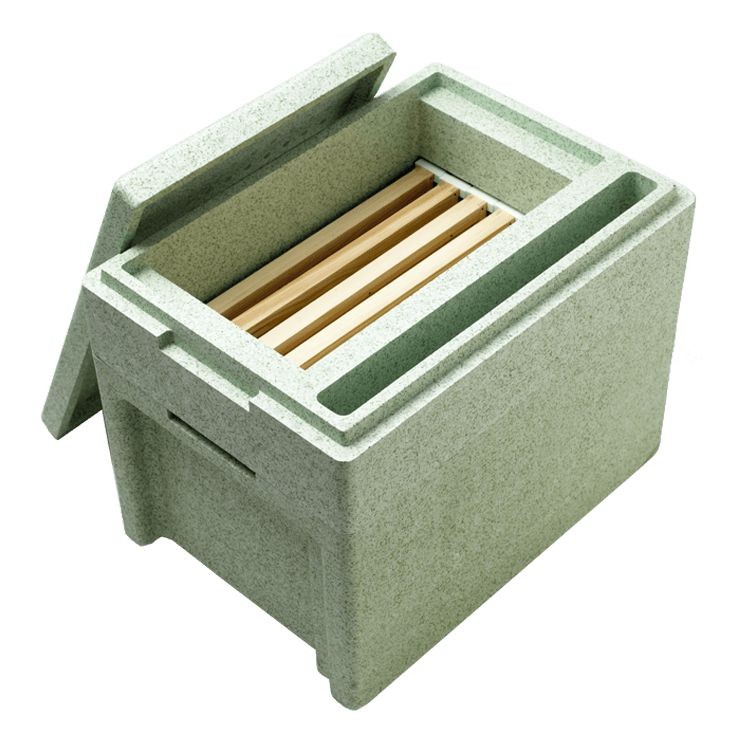
A Lightweight but Durable Structure
One of the main advantages of EPP foam beehives is their unique balance between lightness and resilience. Traditional wooden hives, particularly when filled with honey, can be extremely heavy to transport. EPP hives, however, are significantly lighter, reducing the strain on beekeepers during seasonal relocations or inspections. Despite their lower weight, these hives resist impact and pressure remarkably well. The closed-cell foam structure absorbs shocks, ensuring that the hive remains intact even under rough handling.
Superior Insulation for Colony Stability
Temperature control inside the hive is crucial to the survival and productivity of bees. EPP foam hives excel in thermal insulation, keeping colonies warmer in the winter and cooler in the summer. This stable microclimate reduces energy expenditure by the bees, allowing them to focus more on brood development and honey production rather than regulating hive temperature. In regions with harsh winters or extreme summers, this property can make the difference between colony survival and collapse.
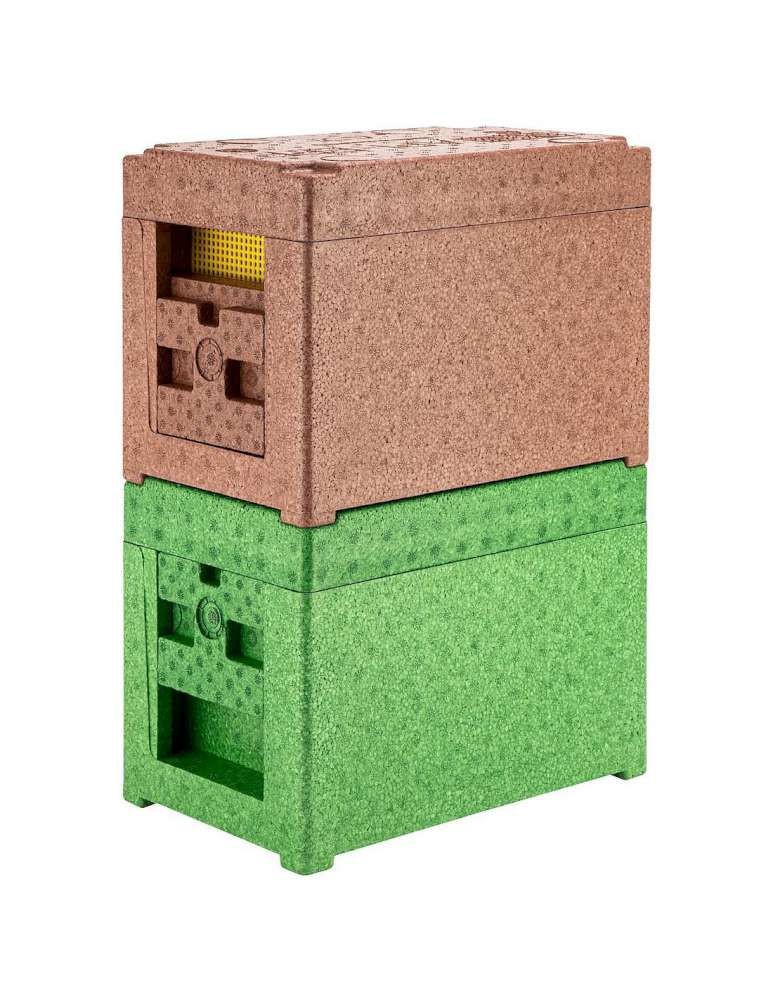
Resistance to Moisture and Decay
Unlike wood, which can absorb moisture and deteriorate over time, EPP foam is water-resistant and impervious to rot. This not only extends the lifespan of the hive but also minimizes the risk of mold growth—a factor that can compromise bee health. Beekeepers also appreciate that EPP foam hives do not warp or crack with seasonal humidity changes, offering consistent performance year after year.
Eco-Friendly Characteristics
A frequent concern about synthetic materials is their environmental footprint. EPP foam, however, is fully recyclable. At the end of a hive’s service life, the material can be reprocessed into new products, reducing waste. Additionally, the longevity of EPP foam hives means fewer replacements are needed compared to wooden hives, ultimately lowering the environmental cost of hive production.
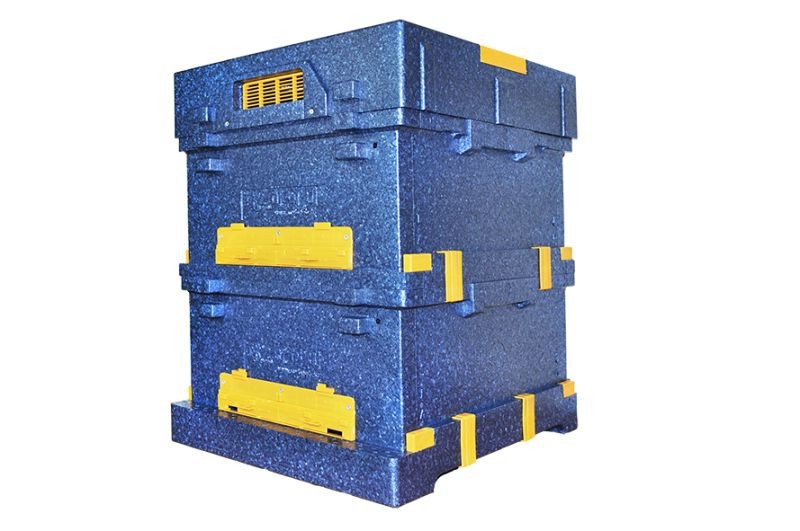
Hygiene and Colony Health
Disease management is another critical factor in beekeeping. Because EPP foam is non-porous, it does not absorb pathogens in the way wood can. Cleaning and disinfecting the hive are simple processes, improving biosecurity and reducing the likelihood of bacterial or fungal contamination. A cleaner hive environment translates directly into healthier, more productive bees.
A Growing Trend in Modern Apiaries
From hobbyists to commercial apiaries, more beekeepers are experimenting with EPP foam hives and discovering their benefits firsthand. While tradition still favors wooden hives in many regions, the practicality of foam alternatives is difficult to ignore. As awareness of sustainable and efficient beekeeping practices continues to spread, EPP foam hives are positioned to become a mainstream choice in the apiculture industry.
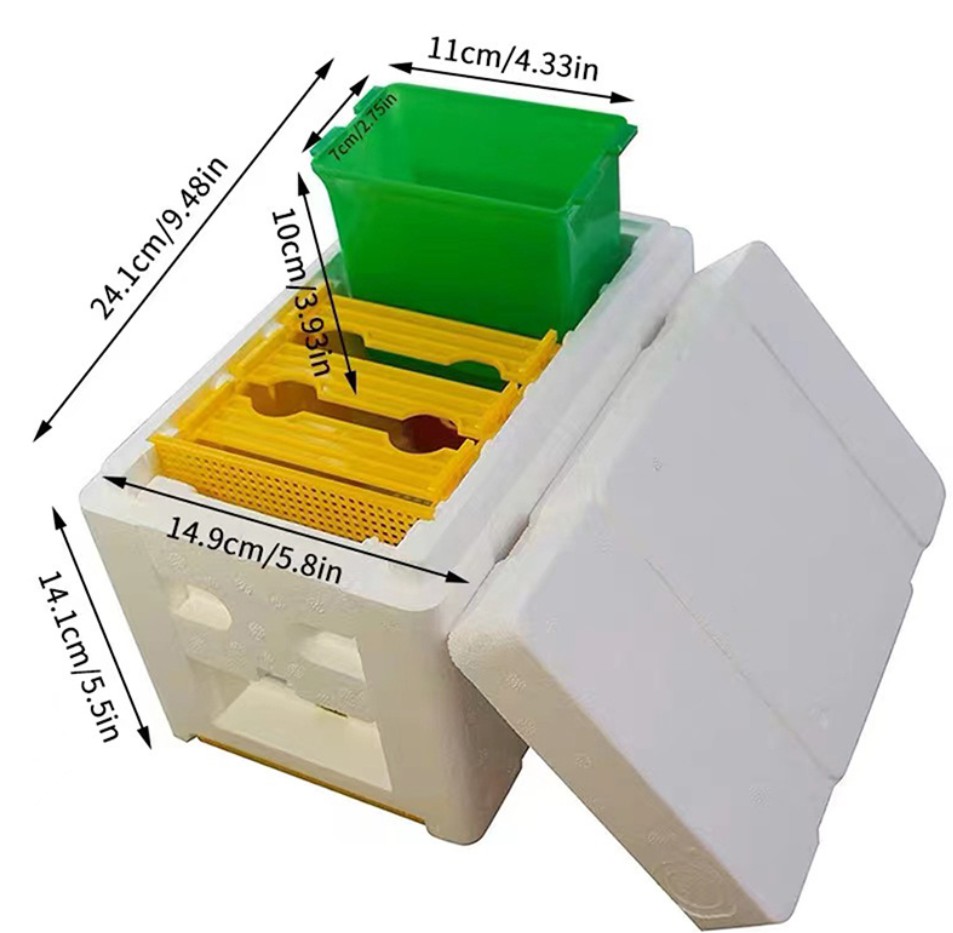
In summary, EPP foam beehives embody a forward-looking approach to beekeeping—offering durability, insulation, hygiene, and sustainability. For a practice as ancient as apiculture, the introduction of such an innovative material signals a promising step toward a more resilient future for both bees and beekeepers.










 East side of Jiaoping Road, Madian Industrial Park, Jiaozhou City, Qingdao City, Shandong Province
 +86-
+86- market@qd-smr.com
 East side of Jiaoping Road, Madian Industrial Park, Jiaozhou City, Qingdao City, Shandong Province
 +86-15588637956
 market@qd-smr.com