





In a world dominated by wireless communication and electronic devices, electromagnetic interference (EMI) has quietly become one of the greatest challenges to product reliability and user experience. While antennas, shielding, and grounding systems have traditionally played a role in managing interference, a new class of materials—EMC absorbers—is reshaping how industries control unwanted signals. These advanced absorbers are not just technical add-ons; they are becoming critical to ensuring safety, sustainability, and performance across multiple sectors.
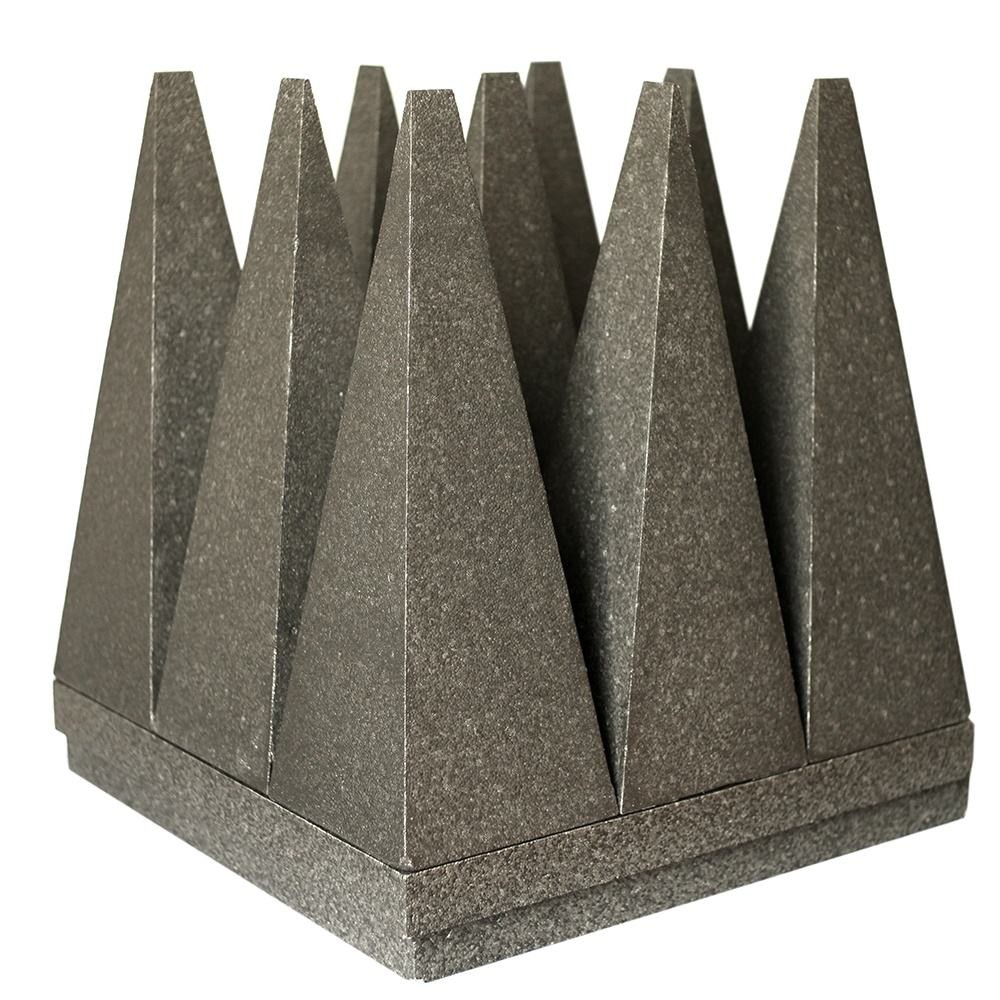
Expanding Application Scenarios
EMC absorbers are now found far beyond the traditional electronics lab. In automotive systems, they are applied inside electric vehicles to suppress high-frequency noise from power inverters, improving both driving comfort and safety. In consumer electronics, absorbers are embedded in smartphones, tablets, and wearables to prevent internal components from interfering with one another, ensuring smoother connectivity and longer device lifespans. Aerospace and defense industries rely on them for stealth technology and reliable communication, while medical equipment manufacturers use them to guarantee the precision of life-saving diagnostic devices. The versatility of EMC absorbers demonstrates their importance in virtually every field that depends on clean, reliable signals.
Safety and Material Integrity
Unlike some legacy materials that relied on heavy metals or toxic compounds, modern EMC absorbers are engineered with non-toxic, halogen-free compositions. This ensures they meet stringent safety standards for human contact and long-term use. Their stable thermal properties also prevent degradation under high operating temperatures, reducing the risk of fire hazards. For industries such as healthcare and automotive, where safety is paramount, the reliability of these materials is a decisive advantage.
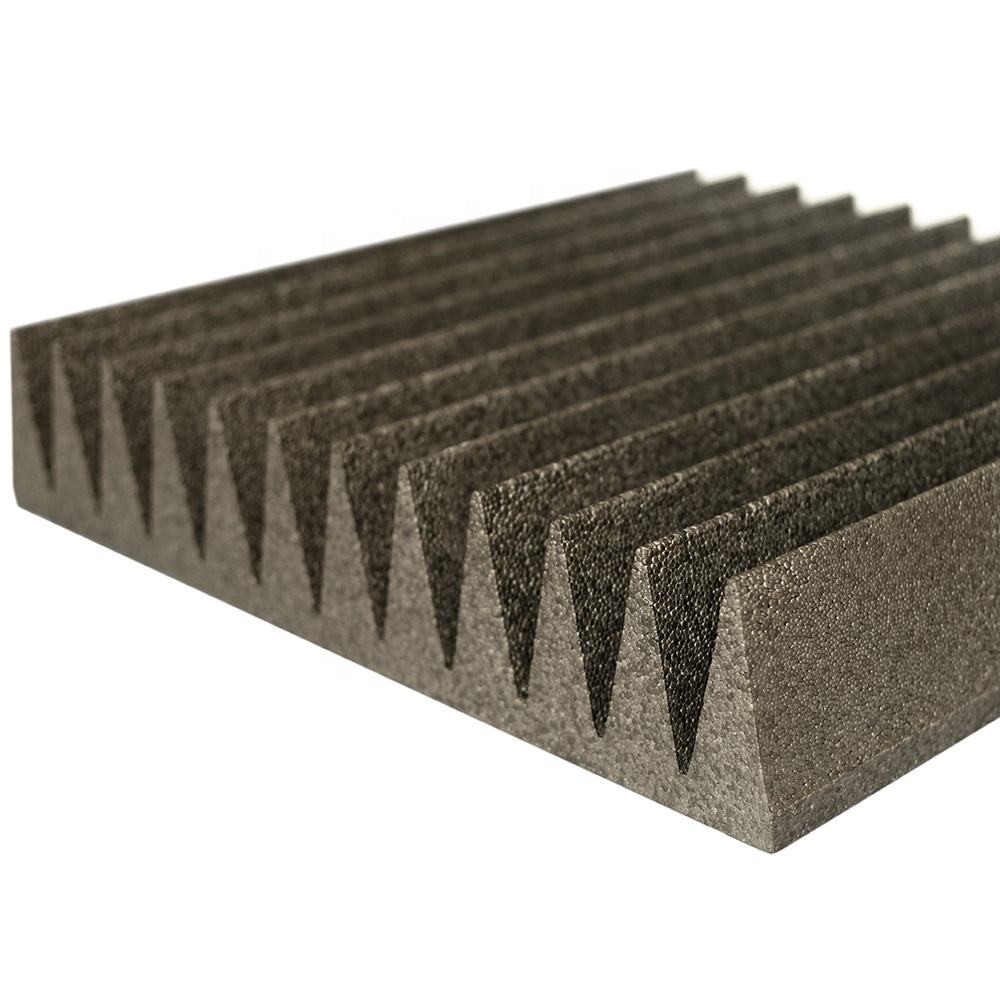
Quality as a Standard, Not an Option
The performance of EMC absorbers is not merely measured by their ability to dampen interference but also by their consistency across frequency ranges. High-quality absorbers provide uniform attenuation from low MHz up to several GHz, ensuring that devices perform predictably under varied operating conditions. Manufacturers employ rigorous quality-control systems, including precision molding and nano-scale filler distribution, to guarantee repeatability in mass production. This level of attention to quality allows companies to confidently integrate absorbers into their most sensitive designs without compromising performance.
Sustainability and Environmental Responsibility
With global industries moving toward greener production, EMC absorbers are evolving to meet environmental expectations. Many products now comply with RoHS and REACH regulations, avoiding hazardous substances while reducing their carbon footprint during manufacturing. Some producers are even experimenting with recyclable polymer bases, aligning the technology with circular economy principles. By combining function with eco-responsibility, EMC absorbers embody the idea that cutting-edge technology does not need to come at the expense of the planet.
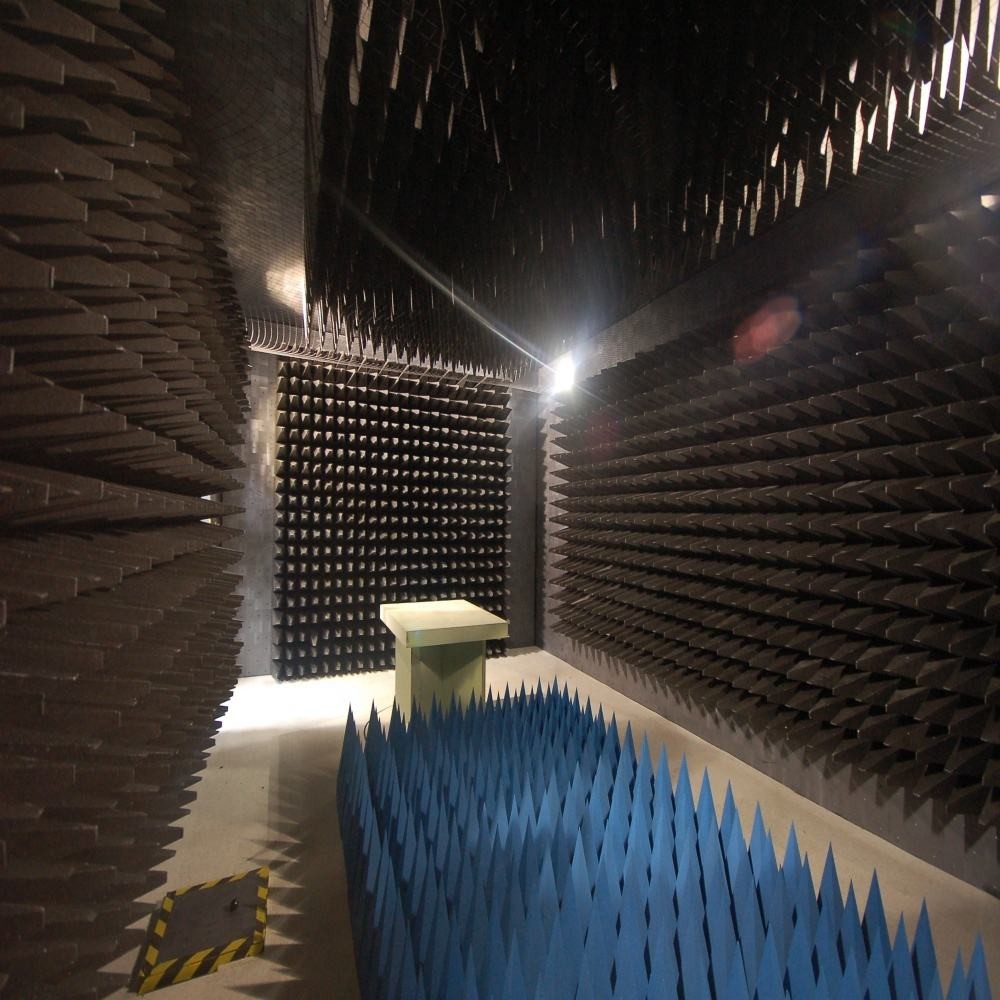
Acoustic and Electromagnetic Synergy
One of the less-discussed but fascinating aspects of EMC absorbers is their dual functionality. While primarily designed to handle electromagnetic waves, certain formulations also exhibit sound-dampening characteristics, making them valuable in environments that require both electronic silence and acoustic comfort. This synergy is particularly relevant in electric vehicles, where reducing both cabin noise and EMI creates a more enjoyable and safer user experience.
Conclusion
EMC absorbers may be invisible to the average user, but they play a critical role in making technology safer, quieter, and more sustainable. By bridging performance, safety, quality, and environmental responsibility, these materials are not just passive components—they are silent guardians ensuring that the digital age functions seamlessly. As industries continue to demand higher levels of performance with lower environmental impact, EMC absorbers will remain at the forefront of innovation, protecting both devices and the people who rely on them.










 East side of Jiaoping Road, Madian Industrial Park, Jiaozhou City, Qingdao City, Shandong Province
 +86-
+86- market@qd-smr.com
 East side of Jiaoping Road, Madian Industrial Park, Jiaozhou City, Qingdao City, Shandong Province
 +86-15588637956
 market@qd-smr.com