





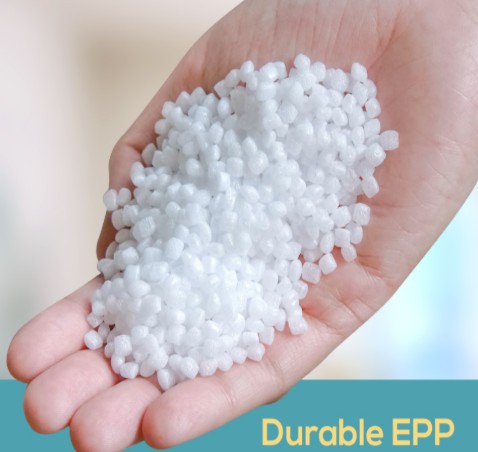
Expanded Polypropylene (EPP) and Expanded Polystyrene (EPS) are two widely used lightweight foamed plastics with distinct mechanical, thermal, and environmental properties. While both serve similar roles in packaging, insulation, and protective applications, their differences in structure and performance make each suitable for specific industrial needs.
Material Composition and Structure
EPP is a closed-cell bead foam made from polypropylene (PP), whereas EPS is produced from polystyrene (PS). This difference in base polymer leads to significant variations in flexibility, resilience, and recyclability. EPP’s semi-crystalline structure provides superior energy absorption and elasticity, while EPS’s amorphous structure gives it rigidity but also brittleness.
Mechanical Properties
In terms of mechanical performance, EPP clearly surpasses EPS in resilience and durability. EPP can withstand multiple impacts without permanent deformation, making it ideal for applications requiring energy absorption, such as automotive bumpers, reusable packaging, and protective equipment. EPS, on the other hand, tends to crack or crumble after a single strong impact, limiting its use to single-use protective packaging or static insulation.
Thermal and Chemical Resistance
EPP demonstrates better heat and chemical resistance than EPS. It can tolerate temperatures up to approximately 120°C, whereas EPS begins to soften around 80°C. Additionally, EPP is resistant to most oils, solvents, and chemicals, while EPS is easily degraded by hydrocarbons and organic solvents. This makes EPP more suitable for demanding environments, including under-the-hood automotive components and industrial applications.
Weight and Dimensional Stability
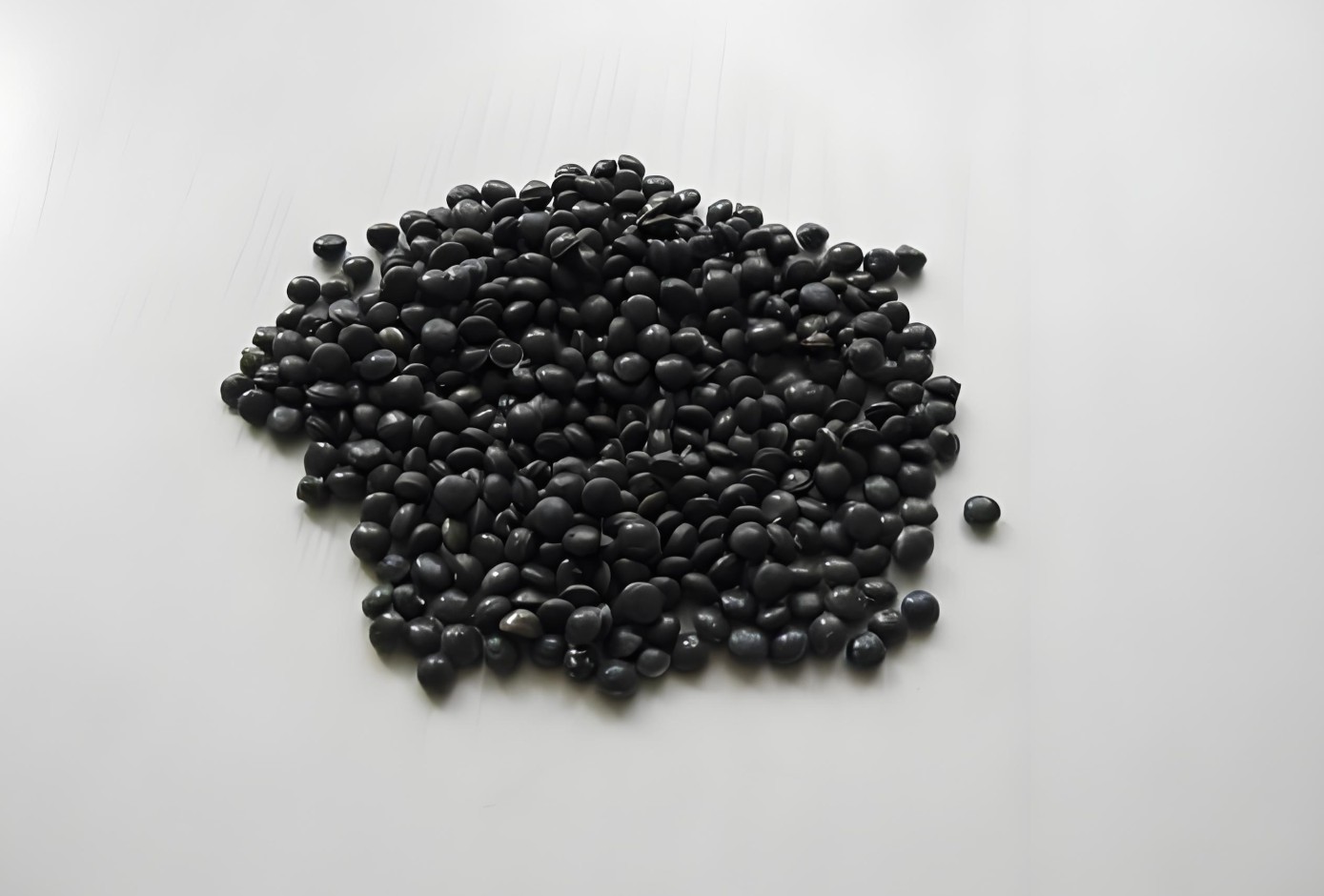
Both materials are lightweight, but EPS typically has a slightly lower density, providing better thermal insulation performance per unit weight. However, EPP offers superior dimensional stability, retaining its shape even under cyclic stress or long-term compression. This property gives EPP an advantage in applications requiring longevity and repeated use.
Environmental Impact and Recyclability
Sustainability is an increasingly critical factor in material selection. EPP is fully recyclable and can be reused multiple times without significant loss of performance, aligning with circular economy goals. EPS is technically recyclable but often faces logistical and economic challenges due to contamination and volume-to-weight ratios. As a result, EPS recycling rates remain low globally.
Cost and Application Considerations
From a cost perspective, EPS is generally cheaper to produce and mold, making it the preferred choice for disposable packaging, insulation boards, and low-cost construction materials. EPP, though more expensive, provides long-term value where reusability, durability, and mechanical performance are priorities. Industries such as automotive, aerospace, and reusable transport packaging increasingly favor EPP for these reasons.
Conclusion
In summary, EPP and EPS are both lightweight foamed polymers with distinct strengths. EPS remains an economical solution for insulation and single-use packaging, while EPP offers superior impact resistance, thermal stability, and environmental sustainability for advanced engineering applications. Choosing between the two depends on the balance between cost efficiency, performance requirements, and environmental considerations.










 East side of Jiaoping Road, Madian Industrial Park, Jiaozhou City, Qingdao City, Shandong Province
 +86-
+86- market@qd-smr.com
 East side of Jiaoping Road, Madian Industrial Park, Jiaozhou City, Qingdao City, Shandong Province
 +86-15588637956
 market@qd-smr.com