




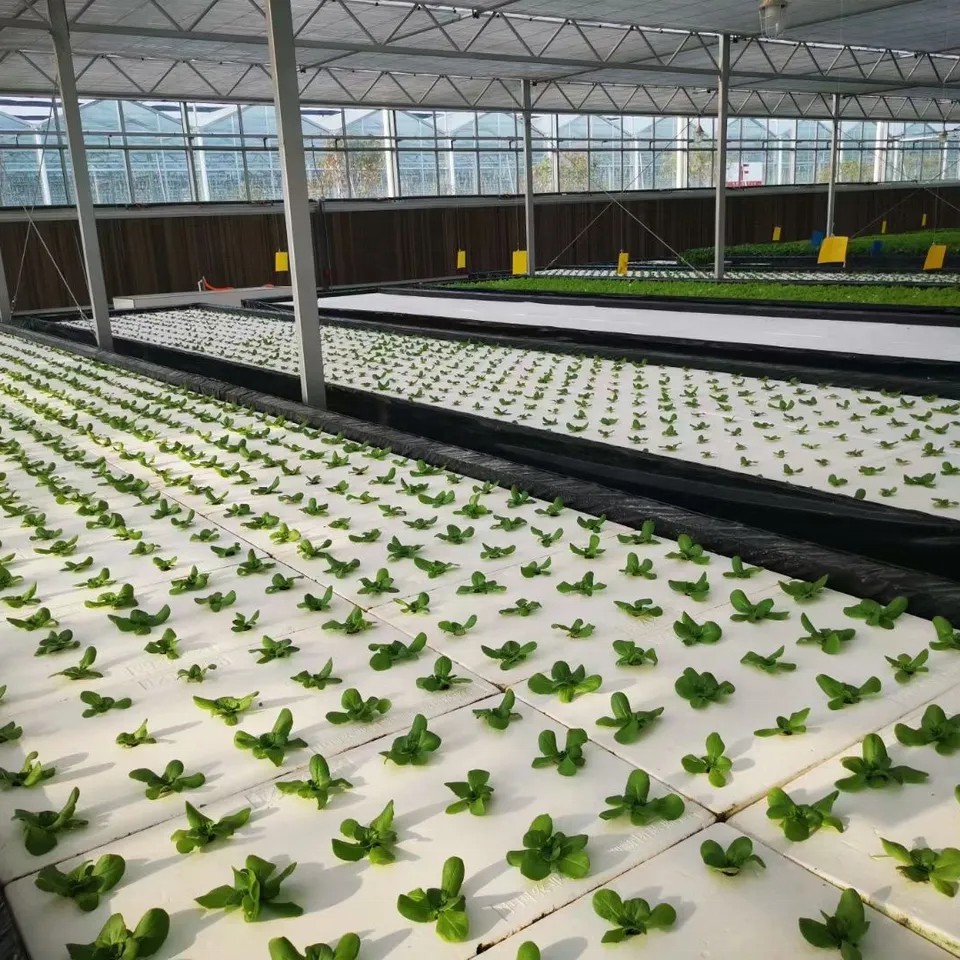
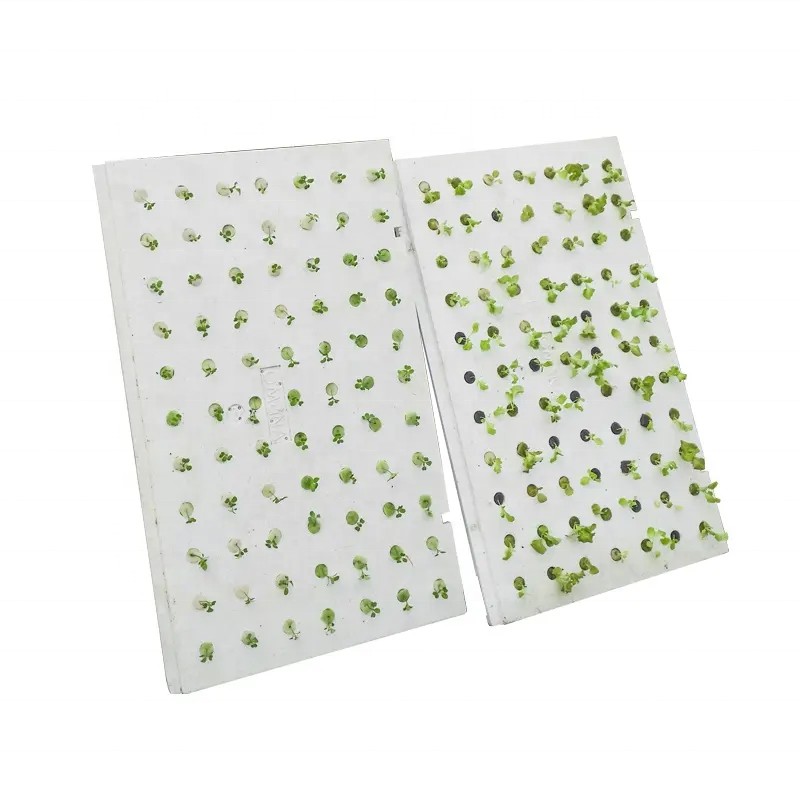
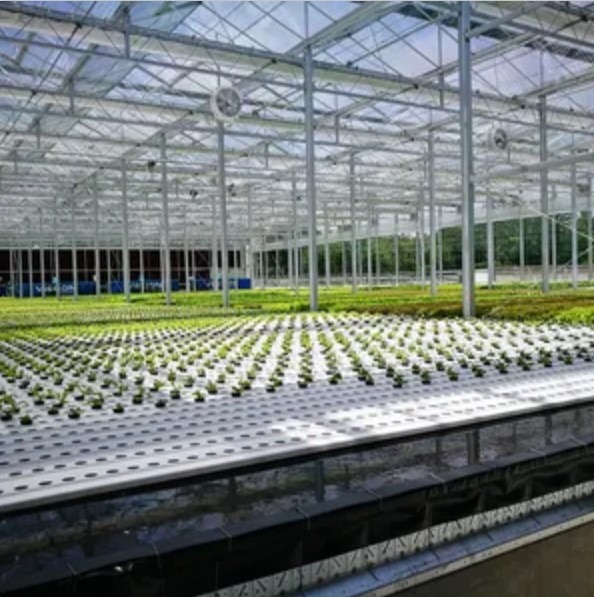
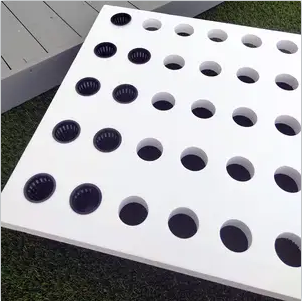
In modern hydroponic farming, Deep Water Culture (DWC) systems have become one of the most efficient methods for growing leafy greens and other crops. Traditionally, growers have used HDPE (High-Density Polyethylene) or EPS (Expanded Polystyrene) boards as floating rafts in nutrient-rich water. However, a new material—EPP (Expanded Polypropylene)—is rapidly gaining popularity due to its superior physical and environmental properties. The EPP DWC board offers a groundbreaking improvement in durability, insulation, and sustainability, making it the best choice for professional hydroponic applications.
1. Exceptional Strength and Durability
Compared to EPS and HDPE boards, the EPP DWC board provides significantly higher impact resistance. EPP’s closed-cell structure gives it excellent toughness and flexibility, meaning it will not crack, chip, or deform under stress. HDPE boards, while durable, can warp under temperature changes, and EPS boards are fragile and prone to breakage during handling or transportation. EPP boards maintain their shape and integrity over years of use, reducing replacement frequency and long-term costs.
2. Superior Thermal Insulation
Maintaining optimal root temperature is crucial for healthy plant growth. The EPP DWC board has excellent thermal insulation performance, far exceeding HDPE and EPS materials. This ensures that the nutrient solution remains at a stable temperature, protecting roots from overheating or chilling. As a result, plants grow faster, with stronger roots and higher yields, even in fluctuating environmental conditions.
3. Lightweight and Easy to Handle
EPP is a lightweight yet robust material, making the EPP DWC board easy to move, install, and clean. Unlike HDPE boards that can be heavy and cumbersome, or EPS boards that easily break when lifted, EPP offers the perfect balance between weight and strength. This ease of handling increases efficiency in large-scale hydroponic operations.
4. Eco-Friendly and Recyclable
Sustainability is becoming a major factor in agricultural material selection. EPP is 100% recyclable, non-toxic, and free of harmful chemicals. Unlike EPS, which is difficult to recycle and contributes to microplastic pollution, EPP can be reused or recycled into new boards or packaging materials. It also has excellent resistance to mold, algae, and chemical corrosion, ensuring a cleaner and more sustainable growing environment.
5. Long-Term Cost Efficiency
Although the initial cost of EPP boards may be slightly higher than EPS, their extended lifespan and reduced maintenance make them more cost-effective in the long run. EPP’s resilience against UV degradation, water absorption, and mechanical wear means fewer replacements and less downtime for growers.
Conclusion
The EPP DWC board represents the next evolution in hydroponic system design. Combining durability, thermal efficiency, sustainability, and ease of use, it outperforms traditional HDPE and EPS boards in every critical aspect. For growers aiming for higher productivity, reduced environmental impact, and better long-term value, the EPP DWC board is the clear choice for modern deep water culture systems.










 East side of Jiaoping Road, Madian Industrial Park, Jiaozhou City, Qingdao City, Shandong Province
 +86-
+86- market@qd-smr.com
 East side of Jiaoping Road, Madian Industrial Park, Jiaozhou City, Qingdao City, Shandong Province
 +86-15588637956
 market@qd-smr.com