





Expanded Polypropylene (EPP) has rapidly emerged as one of the most versatile and high-performance materials in modern manufacturing and design. Produced as a closed-cell bead foam from polypropylene, EPP combines an extraordinary balance of lightweight structure, energy absorption, durability, and recyclability that makes it suitable for a wide range of demanding applications across industries. EPP’s unique set of properties has made it a material of choice for automotive components, protective packaging, thermal insulation systems, and custom engineered parts.
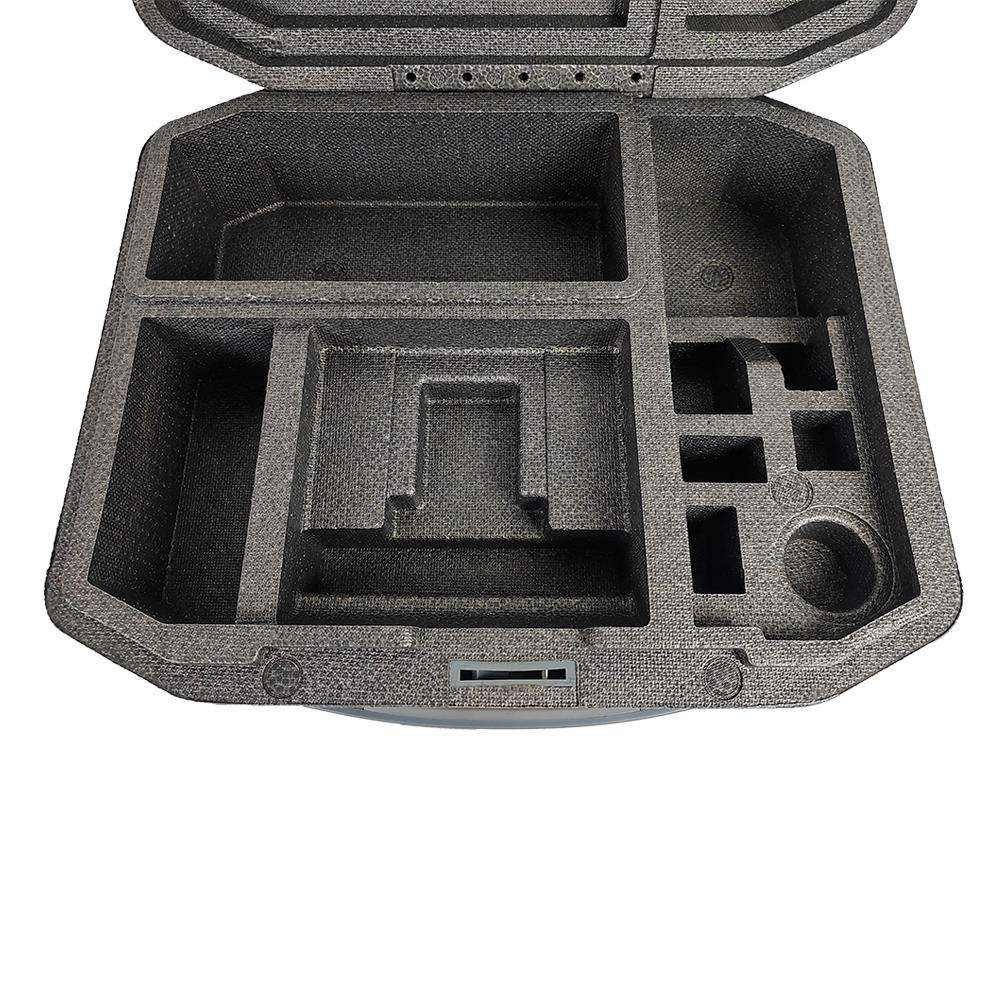
One of the core strengths of EPP foam lies in its excellent impact resistance and energy absorption. This characteristic has allowed designers to increasingly adopt EPP for safety-critical applications, particularly in the automotive sector. Many global manufacturers highlight how EPP parts contribute to occupant safety by absorbing multiple impacts without permanent deformation, while remaining lightweight and resilient. In practical terms, this means critical components like bumper cores, door panels, and seating inserts can help improve crash performance and reduce vehicle weight, which in turn improves fuel efficiency and contributes to lower emissions.
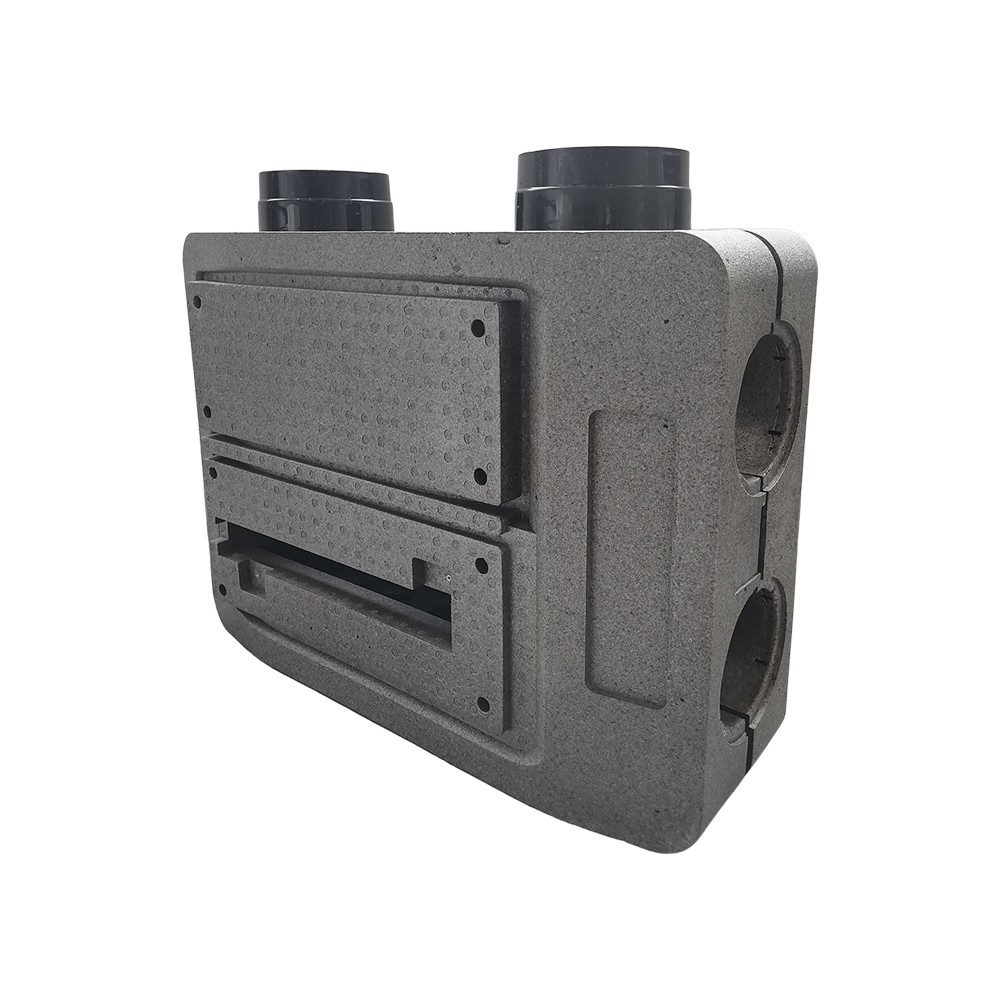
EPP is also celebrated for its lightweight nature and structural strength. Though extremely low in density, EPP offers impressive mechanical performance. Companies such as ARPRO emphasize how their material delivers energy absorption with high structural integrity and retains strength even under stress. This makes EPP an ideal solution not just for automotive parts but also for industrial packaging, thermal and acoustic insulation, and custom-designed engineering components. Its ability to be molded into intricate shapes further expands its use in design-driven applications.
Another standout advantage of EPP foam is its environmental sustainability. The polymer is fully recyclable and can be reprocessed at the end of its lifecycle, a feature that is increasingly critical in industries prioritizing circular economy goals. Leading manufacturers proudly showcase recycled grades and sustainable solutions as part of their product lineups, catering to markets seeking eco-conscious materials without compromising performance. Unlike many traditional plastic foams, EPP is free from harmful substances that would interfere with recycle-to-reuse processing.
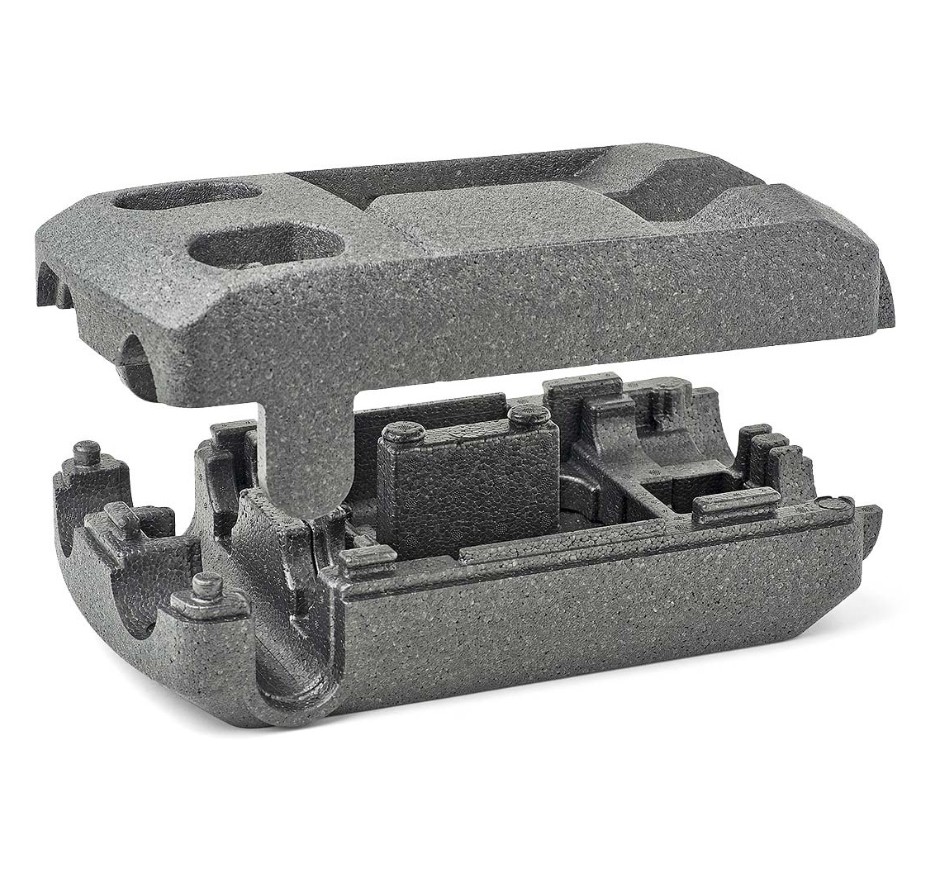
Beyond automotive and packaging, EPP’s performance attributes also translate well to thermal insulation and noise control applications. Its closed-cell structure provides effective temperature management and acoustic damping, which is why it is widely used in HVAC systems, construction materials, and soundproofing components. Manufacturers often point out that EPP’s resistance to humidity, chemicals, and temperature changes makes it a reliable choice for environments where long-term durability is critical.
In industrial protective packaging, EPP offers unmatched shock protection for delicate and high-value items during shipping and handling. Its flexibility allows custom solutions to be configured around product geometry, ensuring sensitive equipment is safeguarded from damage. This bespoke capability makes EPP foam extremely attractive to companies that need packaging designed for repeat use, returnable transport packaging, or multi-shipment logistics.
Finally, the application range for EPP extends into consumer goods, sports equipment, and leisure products, where a combination of comfort, resilience, and lightweight design enhances performance and user experience. Whether in protective gear, thermal insulated cases, or engineered custom parts, EPP’s adaptability underscores its growing importance across sectors.
In conclusion, Expanded Polypropylene is not just another foam material. Its blend of sustainability, durability, energy absorption, and lightweight performance positions it as a key enabler of innovation in both industrial and consumer markets. As manufacturers continue to explore applications of EPP, its role in future-focused engineering and sustainable design will only expand.










 East side of Jiaoping Road, Madian Industrial Park, Jiaozhou City, Qingdao City, Shandong Province
 +86-
+86- market@qd-smr.com
 East side of Jiaoping Road, Madian Industrial Park, Jiaozhou City, Qingdao City, Shandong Province
 +86-15588637956
 market@qd-smr.com