





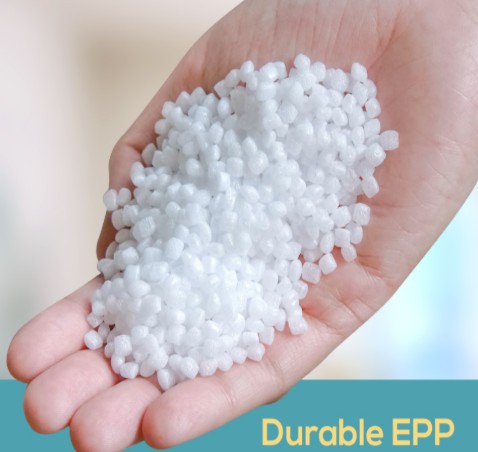
High-density expanded polypropylene (EPP) foam has evolved into a critical material for modern engineering, offering a rare combination of lightweight strength, impact resistance, and thermal insulation. With densities ranging from 100 to 200 g/L, high-density EPP is specifically engineered for products that require structural durability without compromising on weight.
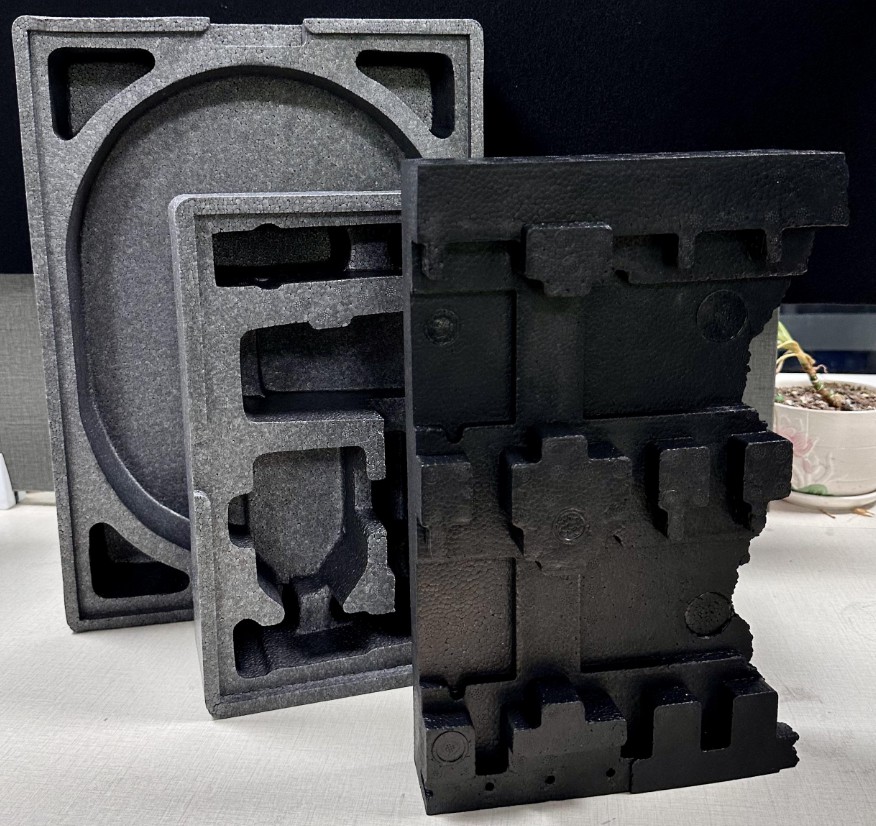
1. Automotive Industry: Energy Absorption & Lightweight Design
In the automotive sector, high-density EPP is widely used in bumpers, crash pads, door panels, and headrests. Compared to conventional polyurethane foams, EPP offers 30–40% better energy absorption and can withstand multiple impacts without permanent deformation.
For example, BMW and Toyota employ 120 g/L EPP in bumper cores to reduce total part weight by up to 25%, improving fuel efficiency and safety simultaneously. Its closed-cell structure also prevents moisture absorption, ensuring long-term performance even in humid or high-temperature environments.
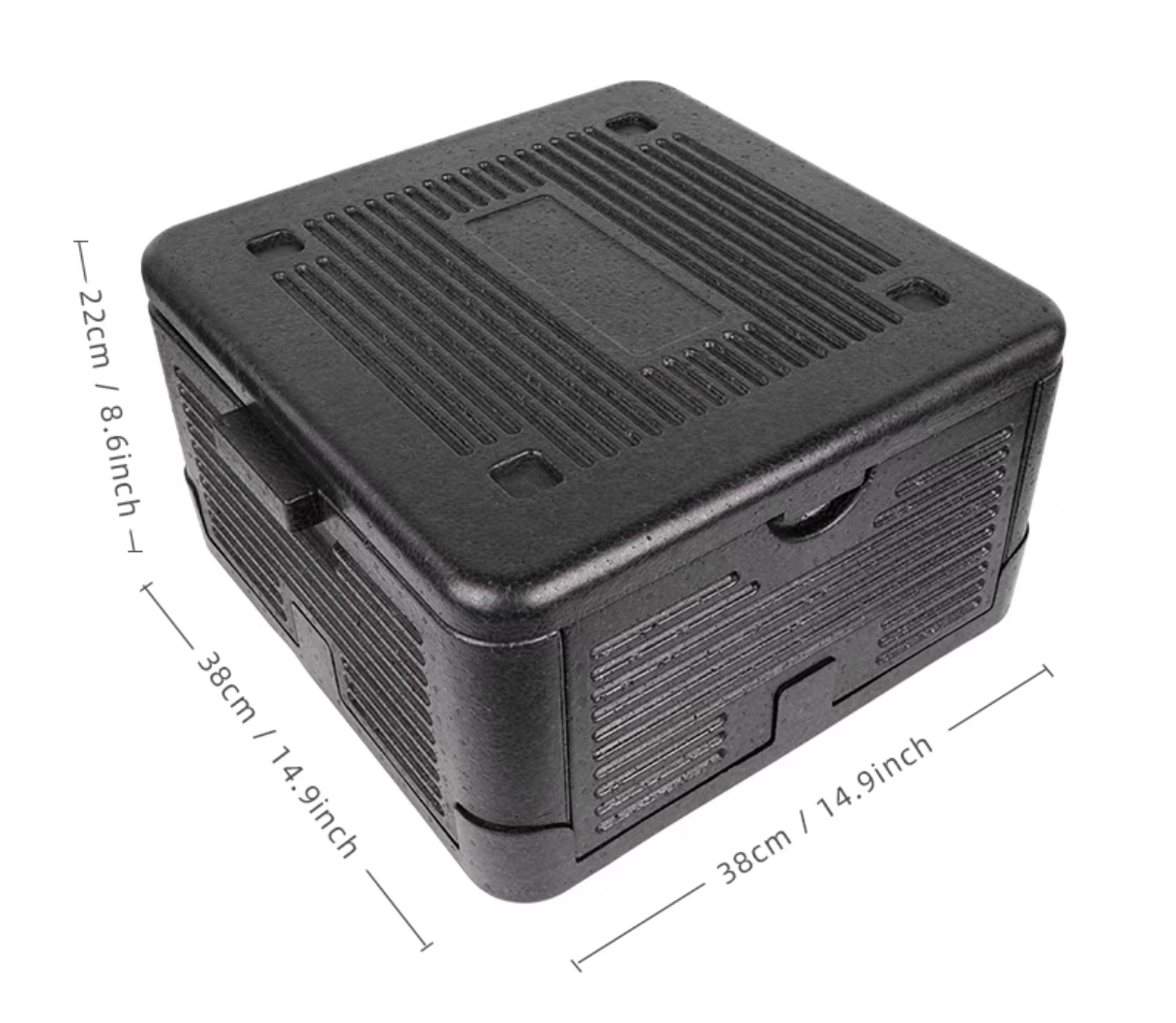
2. Industrial Packaging & Logistics
High-density EPP is redefining returnable transport packaging. Custom-molded tool trays, drone cases, and battery transport containers are increasingly produced using 150 g/L EPP, which delivers exceptional compression strength (~2.5 MPa) while maintaining flexibility.
Unlike rigid plastics, EPP packaging absorbs shock and vibration, protecting delicate electronics or lithium batteries during shipment. Moreover, it’s 100% recyclable, making it ideal for sustainable supply chains.
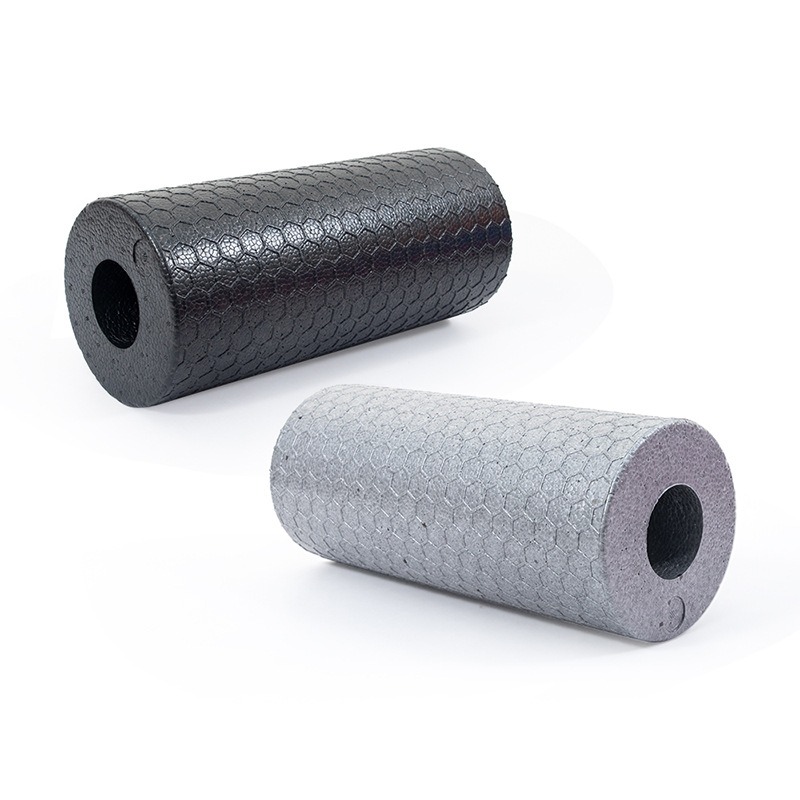
3. Sports & Protective Gear
In the sports industry, high-density EPP is used in bicycle helmets, ski helmets, and martial arts gear, where repeated impact resistance is essential. Laboratory tests show that helmets made with 120 g/L EPP can reduce impact acceleration by up to 20% compared to EPS. Additionally, EPP maintains performance across a wide temperature range (–40°C to +110°C), making it suitable for outdoor sports and extreme environments.
4. Aerospace & Drone Applications
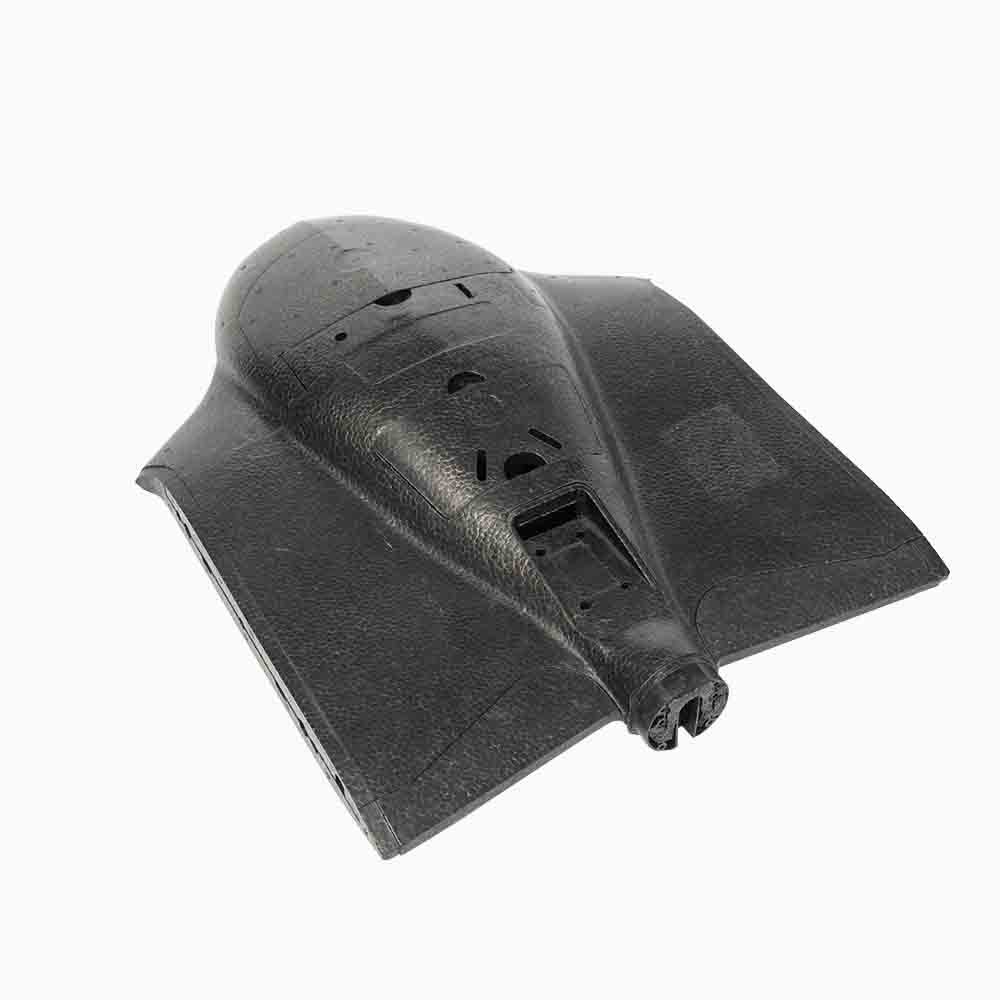
With the rise of UAVs and drones, high-density EPP (typically 100–130 g/L) is increasingly adopted for drone bodies, gimbals, and shock mounts. The material’s excellent stiffness-to-weight ratio provides structural integrity without affecting flight stability. For instance, replacing ABS components with EPP can achieve a 35% weight reduction while improving resistance to vibration and fatigue.
5. Advanced Construction Components
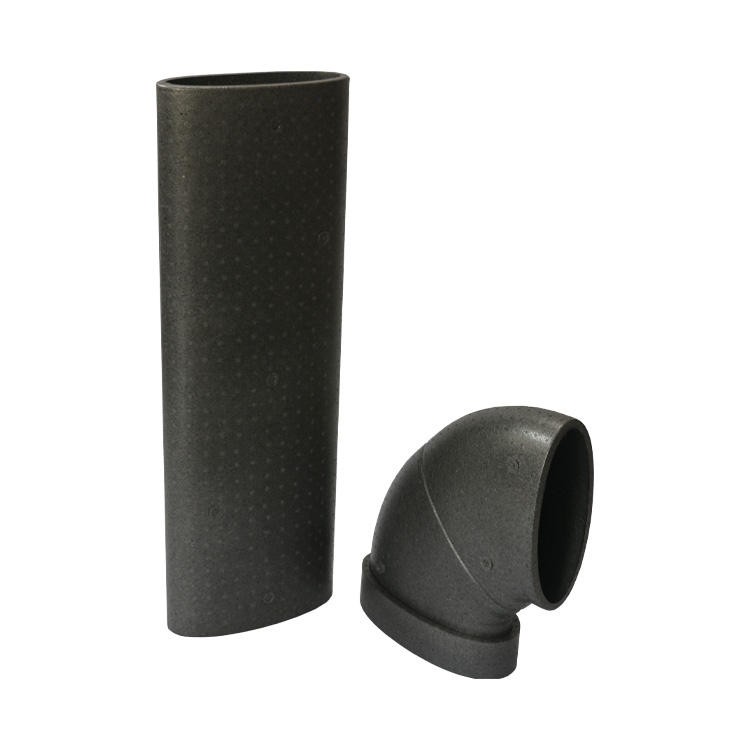
Architectural panels and EPP structural blocks are gaining attention in green construction. A 180 g/L EPP composite panel weighs 60% less than a traditional gypsum board while maintaining comparable thermal insulation and sound absorption properties. It offers designers flexibility in shaping, coloring, and integrating insulation layers for energy-efficient buildings.










 East side of Jiaoping Road, Madian Industrial Park, Jiaozhou City, Qingdao City, Shandong Province
 +86-
+86- market@qd-smr.com
 East side of Jiaoping Road, Madian Industrial Park, Jiaozhou City, Qingdao City, Shandong Province
 +86-15588637956
 market@qd-smr.com