





Ethylene-vinyl acetate (EVA) pellets are a family of copolymer resins made by copolymerizing ethylene with vinyl acetate. Manufacturers offer a wide range of vinyl acetate (VA) contents and melt-flow characteristics so processors can tune softness, flexibility, and sealing behavior for specific end uses.
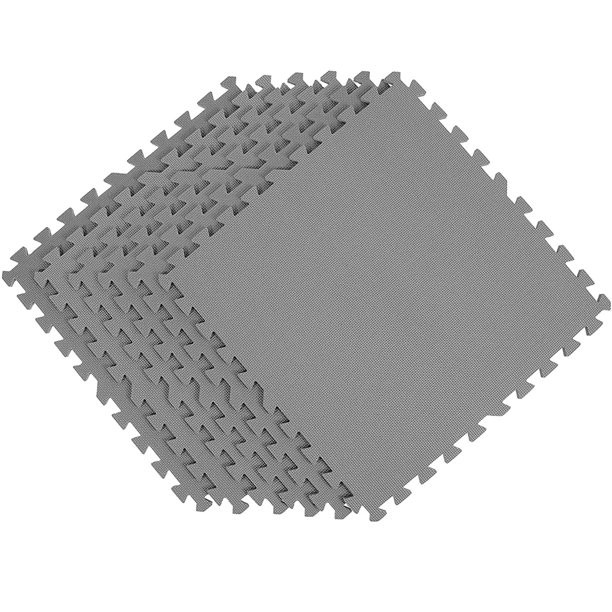
EVA’s core strengths are its softness and elasticity combined with good low-temperature toughness, clarity, and resistance to environmental stressors. These properties make it behave “rubber-like” while remaining thermoplastic — allowing injection molding, extrusion, and hot-melt processing. Typical marketing language from producers highlights EVA’s flexibility, impact strength, heat-sealability, and weather resistance.
Applications span many industries. In footwear and sporting goods, EVA pellets are formulated into foamed midsoles and pads for cushioning and shock absorption. In packaging and film, EVA’s heat-seal and clarity properties are exploited for protective films and flexible packaging. The photovoltaic industry uses specific high-clarity, high-VA EVA grades as encapsulants for solar modules because of their adhesion and long-term outdoor performance. EVA is also a common base polymer for hot-melt adhesives, wire and cable compounds, and consumer goods. These use cases are repeatedly emphasized across producer catalogs and technical datasheets.
Grades and customization are central selling points. Producers list grades by VA content (commonly from single digits up to ~40% VA), melt flow index, and intended application — for example, film, foam, adhesive, or photovoltaic encapsulation grades. Suppliers (both global chemical companies and regional resin mills) promote specific product lines with targeted performance claims, enabling manufacturers to choose materials that balance softness, sealability, and thermal behavior.
Sourcing is diverse: global petrochemical companies supply commodity and specialty EVA grades alongside regional manufacturers and many contract compounders and reprocessors who offer tailored granules or recycled EVA blends. Marketplaces and supplier directories show a broad ecosystem of virgin EVA resin suppliers (large chemical groups) and numerous factory suppliers and compounders in Asia supplying standard and foam-grade pellets. Promotional copy from suppliers typically highlights “stable quality,” “customizable VA content,” and “fast delivery” as competitive advantages.
Sustainability and secondary markets are emerging themes. Some firms now market recycled EVA granules designed to deliver enhanced heat and UV resistance while lowering cost and waste — a message aimed at circular-economy buyers in footwear and sports equipment. Producers combine technical datasheets and “green” messaging to position recycled EVA as a practical alternative for less demanding applications.
In summary, EVA pellets are a highly versatile, widely produced family of thermoplastic copolymers marketed for cushioning, sealing, film, adhesive, and encapsulation uses. Suppliers promote them with performance-focused language — tunable VA content, thermoplastic processability, and application-driven grade lists — helping manufacturers select the precise pellet grade for their product performance and cost targets.
If you’d like, I can convert this into a short brochure paragraph set using the actual promotional phrases from any specific manufacturers (Celanese, ExxonMobil, Sinopec, etc.) and include direct product-line names and links.










 East side of Jiaoping Road, Madian Industrial Park, Jiaozhou City, Qingdao City, Shandong Province
 +86-
+86- market@qd-smr.com
 East side of Jiaoping Road, Madian Industrial Park, Jiaozhou City, Qingdao City, Shandong Province
 +86-15588637956
 market@qd-smr.com