





As HVAC systems continue to evolve toward higher energy efficiency, quieter operation, and sustainable design, material selection has become increasingly critical. Originally widely used in protective packaging, Expanded Polypropylene (EPP) foam is now gaining traction in HVAC applications thanks to its balanced performance, durability, and environmental benefits.
With its versatile physical properties, EPP foam is emerging as a practical solution for enhancing system performance while supporting lightweight and energy-saving design goals.
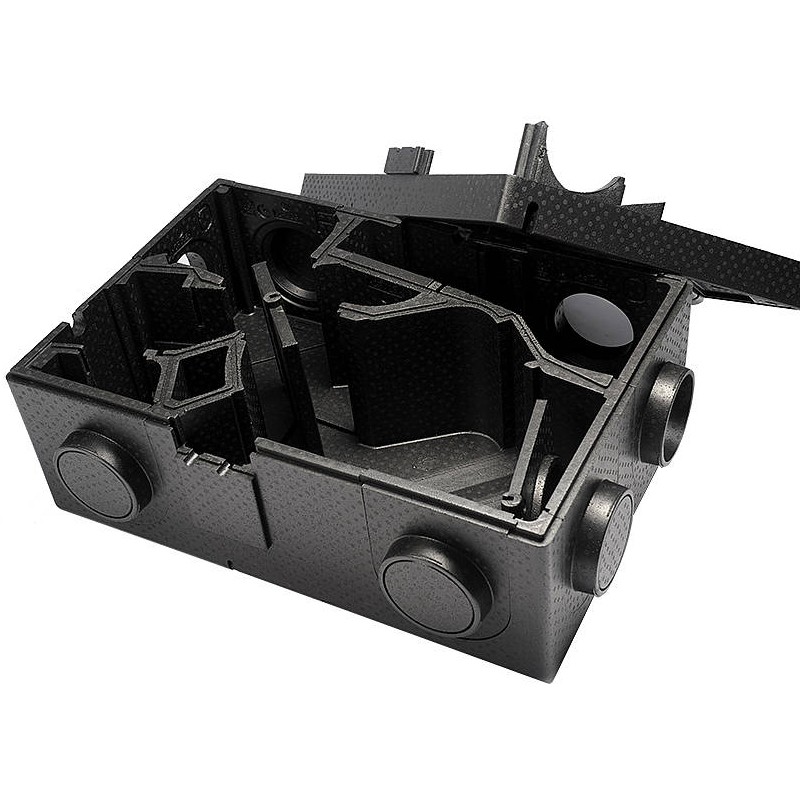
Why EPP Foam Fits HVAC System Requirements
EPP foam is a closed-cell material produced from polypropylene through a controlled foaming process. Its structural and functional characteristics align well with the demanding operating conditions of HVAC equipment.
Superior Thermal Insulation and Moisture Resistance
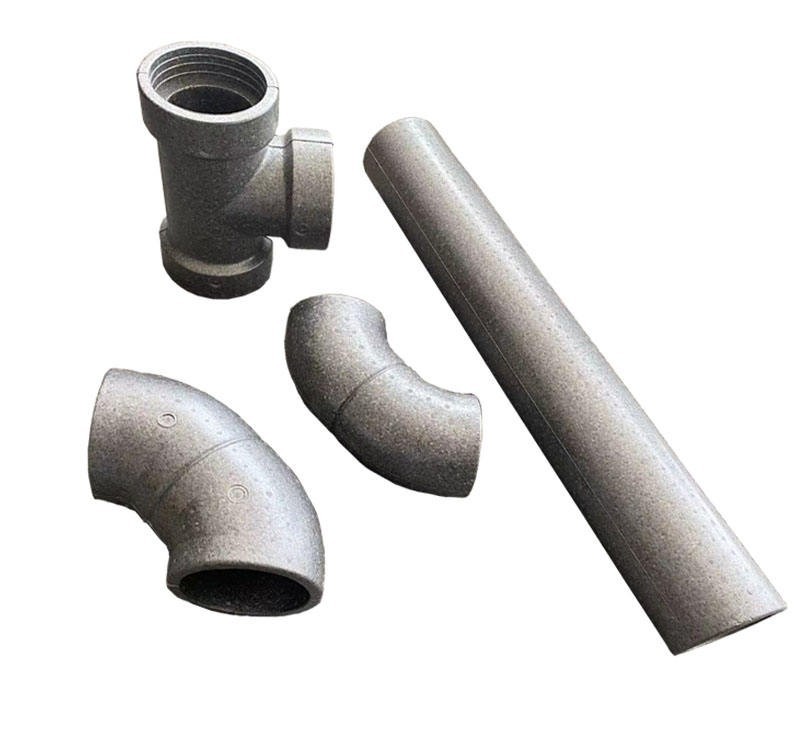
Compared with conventional insulation materials such as polyurethane foam or glass wool, EPP foam delivers reliable thermal insulation that helps minimize heat and cooling loss throughout HVAC systems. Its closed-cell structure resists water absorption, reducing the risk of condensation, material degradation, and microbial growth. This makes it particularly suitable for air ducts, air-handling units, and fresh air systems operating in humid environments.
Effective Noise Control and Vibration Absorption
Thanks to its elastic structure, EPP foam provides excellent shock absorption and sound attenuation, especially for low- and mid-frequency noise commonly generated during HVAC operation. By reducing vibration transmission and airborne noise, EPP components contribute to quieter indoor and outdoor units, improving overall comfort in residential and commercial spaces.
Lightweight, Strong, and Environmentally Safe
EPP foam is significantly lighter than traditional metal or rigid plastic components, helping reduce equipment weight and simplify installation and transportation. Despite its low density, it offers sufficient mechanical strength to support structural and protective functions, enabling partial replacement of metal parts for lightweight system design. In addition, EPP foam is non-toxic, odor-free, and safe for use in enclosed environments such as homes, hospitals, and offices.
Wide Temperature Tolerance and Design Flexibility
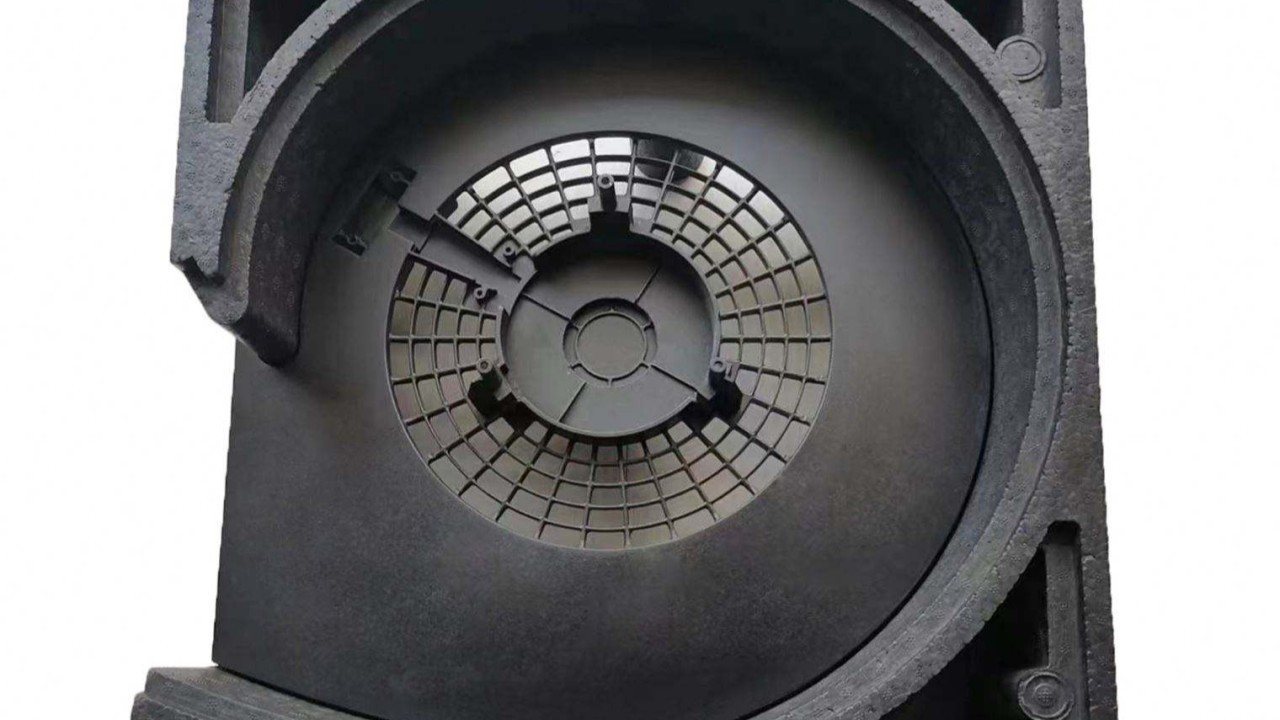
EPP foam maintains stable performance across a broad temperature range, typically from –40°C to 120°C, and demonstrates strong resistance to aging and environmental stress. Its flexible molding and processing capabilities allow for the production of complex shapes and customized components, supporting diverse HVAC applications including indoor units, outdoor units, ducts, and ventilation systems.
A Reliable Material for HVAC Performance Optimization
By combining thermal insulation, acoustic control, durability, and environmental safety, EPP foam offers a well-rounded material solution for modern HVAC systems. Whether applied in new product development or system upgrades, EPP foam supports energy efficiency, comfort improvement, and long-term reliability.
We specialize in EPP foam solutions for HVAC applications and are ready to support your project with professional consultation and customized products. Feel free to contact us for more information.










 East side of Jiaoping Road, Madian Industrial Park, Jiaozhou City, Qingdao City, Shandong Province
 +86-
+86- market@qd-smr.com
 East side of Jiaoping Road, Madian Industrial Park, Jiaozhou City, Qingdao City, Shandong Province
 +86-15588637956
 market@qd-smr.com